Laws
The statutes, ordinances, and court decisions that altered who could attend school, what was taught, and who paid for it.
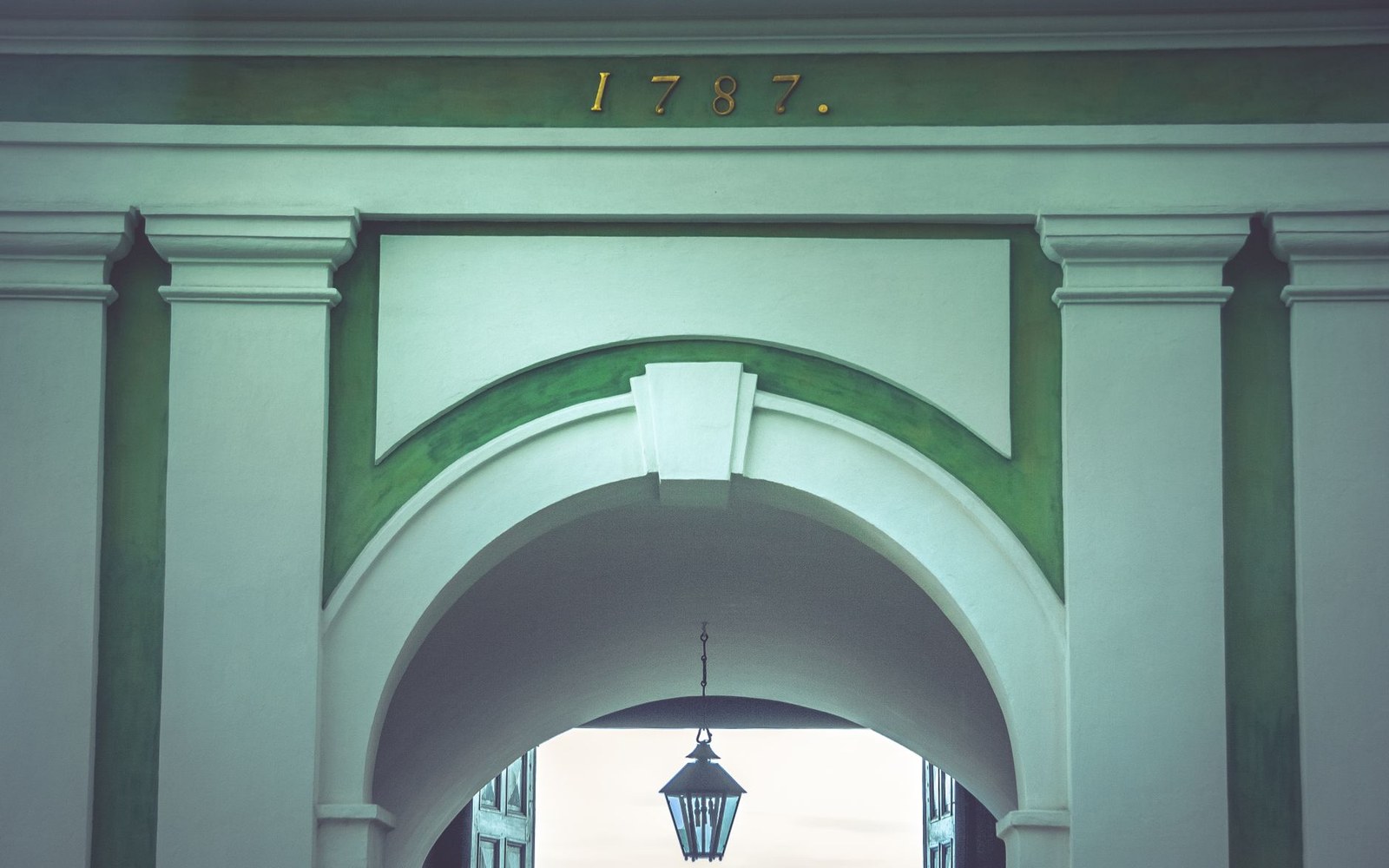
One section in every thirty-six was reserved for the school.
Photo: Margerretta / Pexels
7 pieces in Laws
Everything →- Section Sixteen Belongs to the SchoolThe Northwest Ordinance of 1787 reserved one section of every thirty-six-section township in the new territories for the support of public education — the first time the federal government made schooling a condition of land distribution.
- The Land That Became the LaboratoryThe first Morrill Act (1862) granted each state scrip for 30,000 acres of federal land per congressional representative to endow colleges in agriculture and the mechanic arts; the second (1890) extended the grant to the former Confederate states and, critically, required that states with racially segregated systems fund a second institution.
- The Case That Was Five CasesBrown v. Board of Education (1954) consolidated five separate cases from Kansas, South Carolina, Virginia, Delaware, and the District of Columbia, each filed independently by NAACP Legal Defense Fund attorneys. This piece documents the litigation record — the lower court findings, Thurgood Marshall's argument, the unanimous decision, and Brown II's 'all deliberate speed' instruction — as dated public record.
- The First Federal Dollar in the Local ClassroomThe Elementary and Secondary Education Act of 1965 was the first broad federal aid programme for K–12 public schools; Title I directed funds specifically to schools serving concentrations of children from low-income families.
- Thirty-Seven Words and What They RequiredTitle IX of the Education Amendments of 1972 prohibits sex discrimination in any educational programme receiving federal financial assistance — its operative language runs to thirty-seven words.
- The Right to a Free Appropriate Public EducationThe Education for All Handicapped Children Act (Public Law 94-142, 1975) — reauthorised as IDEA — required for the first time that public schools provide a free appropriate public education in the least restrictive environment to every child with a disability and produce an individualised education programme.
- Adequate Yearly Progress, One Goal, Fifty BarsThe No Child Left Behind Act (2001) required all states to test students in reading and mathematics annually in grades 3–8 and once in high school, and to report results disaggregated by race, income, disability, and English-learner status — making school-level performance data public for the first time at federal scale.