Buildings
The physical structures American schooling was carried out in — from surviving one-room schoolhouses to the building that changed what a school could look like.
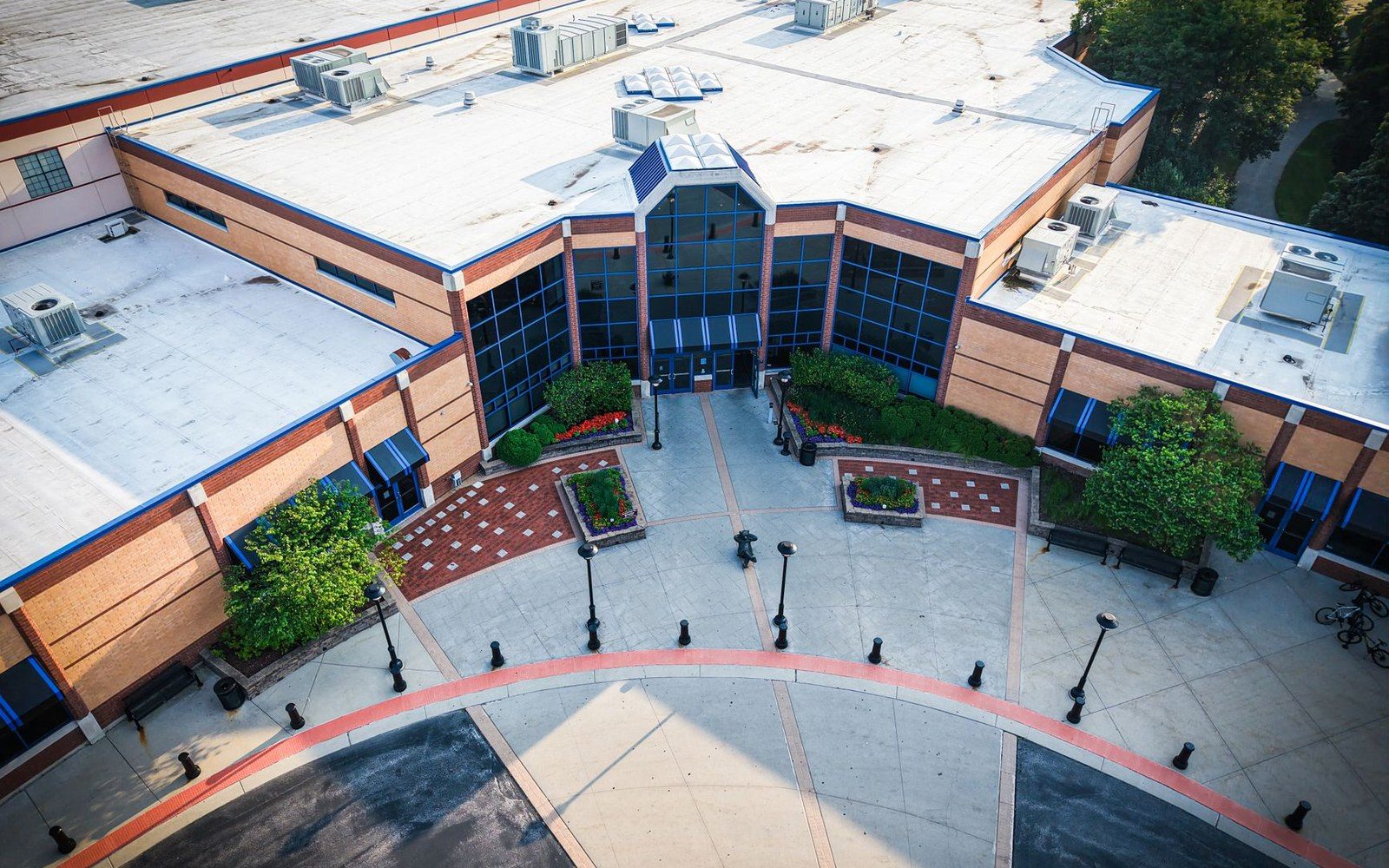
Low horizontal brick massing, and no monumental stair to climb.
Photo: Mushahid Shahid / Pexels
5 pieces in Buildings
Everything →- Everything Set at the Height of the Hand That Used ItCrow Island School (Perkins & Will with Eliel and Eero Saarinen, Winnetka, Illinois, 1940) is the building most often cited as the moment American school architecture changed its reference point from the institution to the child.
- The Room That Held Every Grade at OnceThe one-room schoolhouse was not a primitive form replaced by something better — it was a deliberate answer to a specific geography, and thousands of documented examples survive as historic structures.
- Schools Built Around Their Windows, and the Fund That Counted ThemBetween 1912 and 1932, a partnership between Booker T. Washington, Julius Rosenwald, and Black Southern communities produced 4,977 school buildings across fifteen states, each designed with a standardised window-to-wall ratio to guarantee natural light.
- The School as a Factory Floor That Believed in ItselfWilliam Wirt's Gary Plan (Gary, Indiana, from 1907) reorganised the school building around two 'platoons' rotating between academic rooms, shops, auditoriums, and playgrounds so that no space sat idle.
- A Building That Became a Case FileLittle Rock Central High School (1927, Lester Barton Moore) is a National Historic Site because of nine days in September 1957, when nine students enrolled under federal injunction and the Arkansas National Guard was sent first to block them and then to protect them.