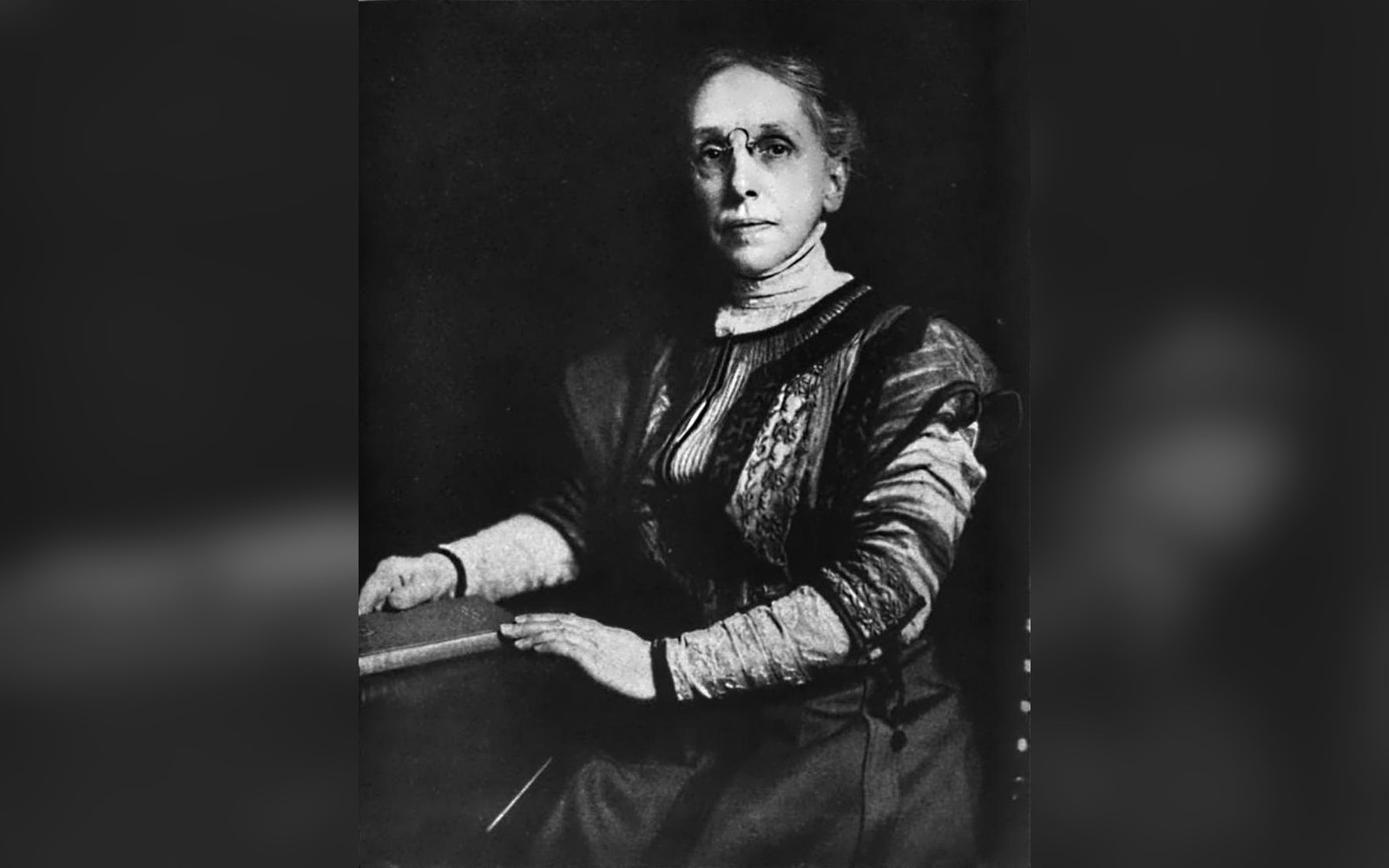
A Career Built on the Question of Who Decides
Ella Flagg Young joined the Chicago public schools as a teacher in 1862 and did not leave the system for the better part of half a century. By the time she earned her doctorate at the University of Chicago in 1900 — studying under John Dewey, and influencing his thinking as much as he influenced hers — she had already served as a district superintendent and as a principal trainer. Her dissertation, Isolation in the School, argued that teachers isolated from genuine decision-making became mechanical and ineffective, a position unusual enough in 1900 to be professionally dangerous for a woman in a bureaucratic system.
Her published writing through the early 1900s returned repeatedly to teacher councils — formal structures through which classroom teachers could participate in shaping curriculum and school policy. This was not a decorative idea. Young believed that the intellectual autonomy of the teacher was the precondition for the intellectual development of the student, and she said so in print, in language her colleagues at the National Education Association found either bracing or alarming depending on their position in the hierarchy.

Slate and chalk outlasted every technology brought in to replace them.
Photo: NEOSiAM 18+ / Pexels
In 1909, the Chicago Board of Education appointed her superintendent of Chicago Public Schools, then the second-largest urban school system in the United States. She was sixty-four years old. She moved immediately to establish the teacher councils she had theorized for a decade, giving classroom teachers a formal voice in curriculum decisions for the first time in the system's history. She negotiated with the board, managed a vast and politically contentious bureaucracy, and did so while the Chicago Public Schools were operating under the fiscal and political pressures that have never entirely left them.
The following year, 1910, the National Education Association elected her its president — the first woman to hold that office in the organization's then fifty-three-year history. The two firsts were not coincidental: Chicago's appointment gave her a platform and a record; the record gave the NEA membership a reason.
Her tenure as superintendent ended in 1915 after repeated clashes with the school board over teacher salaries and administrative authority, conflicts that foreshadowed the union struggles Albert Shanker and others would wage decades later. She resigned, was briefly reappointed, and left permanently that year.
Young died in 1918. The teacher councils she installed did not survive her departure in their original form, but the argument she made — that professional autonomy and effective teaching are inseparable — entered the permanent vocabulary of American educational debate, carried there largely by her own writing and by the institution she briefly led.