From Equalization to Elimination
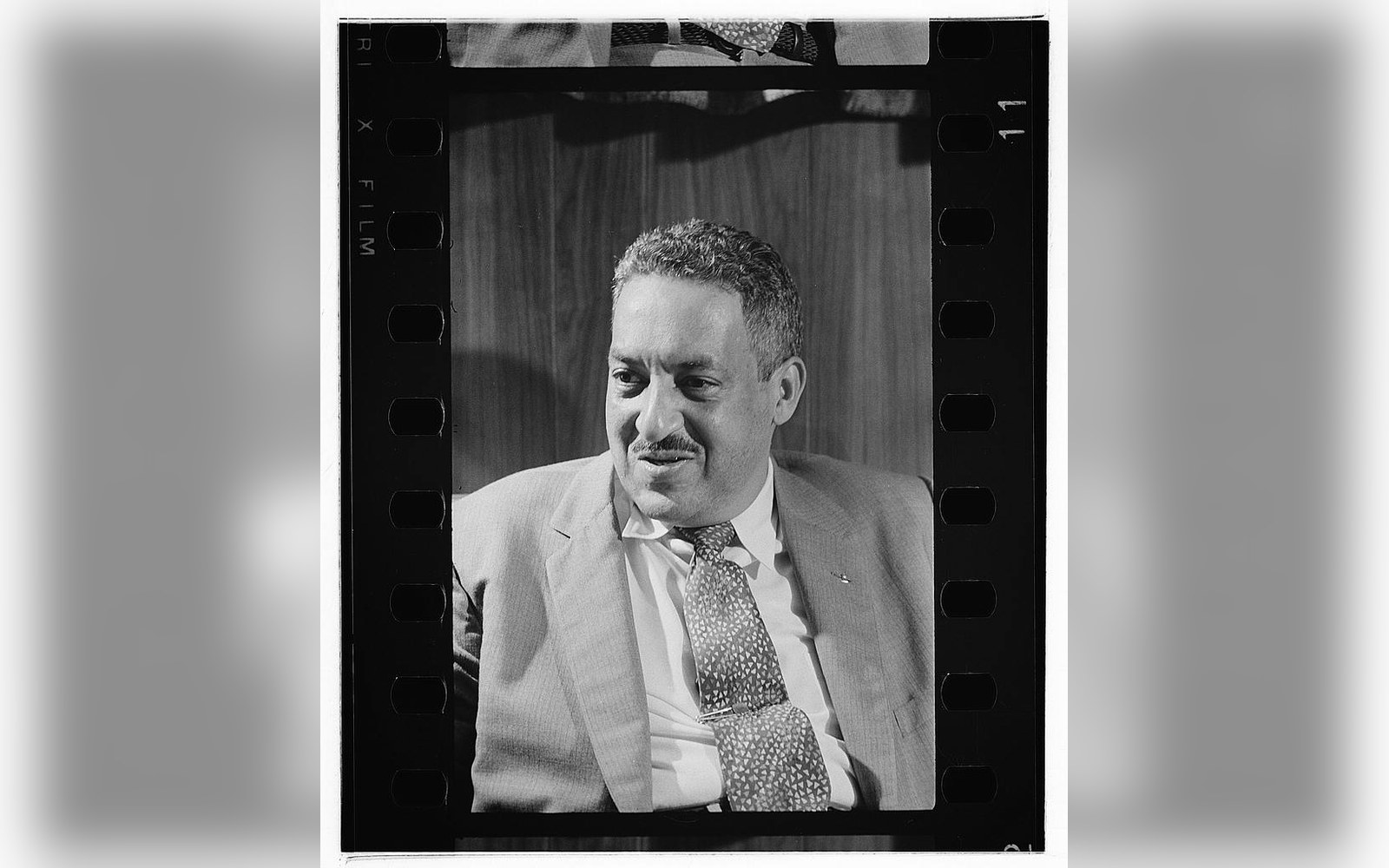
Thurgood Marshall joined the NAACP Legal Defense and Educational Fund in 1936 as assistant to chief counsel Charles Hamilton Houston, and took over as director-counsel in 1940. Houston had already established the strategic premise: rather than attacking Plessy v. Ferguson (1896) directly, which enshrined the "separate but equal" doctrine, litigators would first force Southern states to make their Black schools genuinely equal — a standard so expensive that segregation might collapse under its own cost.
Marshall prosecuted that strategy methodically. Through the late 1930s and 1940s, he brought salary-equalization suits in state after state, compelling school boards to pay Black teachers wages equal to those of white teachers performing the same work. He litigated graduate and professional school cases, pressing states that provided no Black law school or medical school to either build one or integrate the existing institution. Sipuel v. Board of Regents of the University of Oklahoma (1948) and Sweatt v. Painter (1950) won on exactly those terms, with the Supreme Court finding that the alternative institutions Texas and Oklahoma offered Black plaintiffs were not, in fact, equal.
By 1950, Marshall and the LDF had concluded that equalization would never be enough. A memorandum circulated inside the organization that year made the new position explicit: future cases would challenge the constitutionality of segregation itself, not merely its material conditions. The shift was partly legal — Sweatt had drawn on social-science evidence about intangible inequalities, opening ground Marshall intended to widen — and partly moral. No condition of equality could make compulsory separation constitutional.
Five Cases, One Argument
The cases that reached the Supreme Court under the consolidated title Brown v. Board of Education (1952–53) arrived from five separate jurisdictions: Topeka, Kansas; Clarendon County, South Carolina; Prince Edward County, Virginia; New Castle County, Delaware; and Washington, D.C. Marshall had argued or supervised the argument in each. The South Carolina case, Briggs v. Elliott, had begun as a petition for school buses, then for equal facilities, before Marshall reframed it as a direct assault on segregation's constitutionality.
The oral arguments of December 1952 and December 1953 put Marshall before a divided Court. His brief drew heavily on social-science findings assembled by Kenneth B. Clark, whose doll studies documented the psychological harm that segregation inflicted on Black children. The evidence was contested in its methodology and remains contested in historical assessment, but it gave the justices a record of tangible injury beyond bricks and budgets.
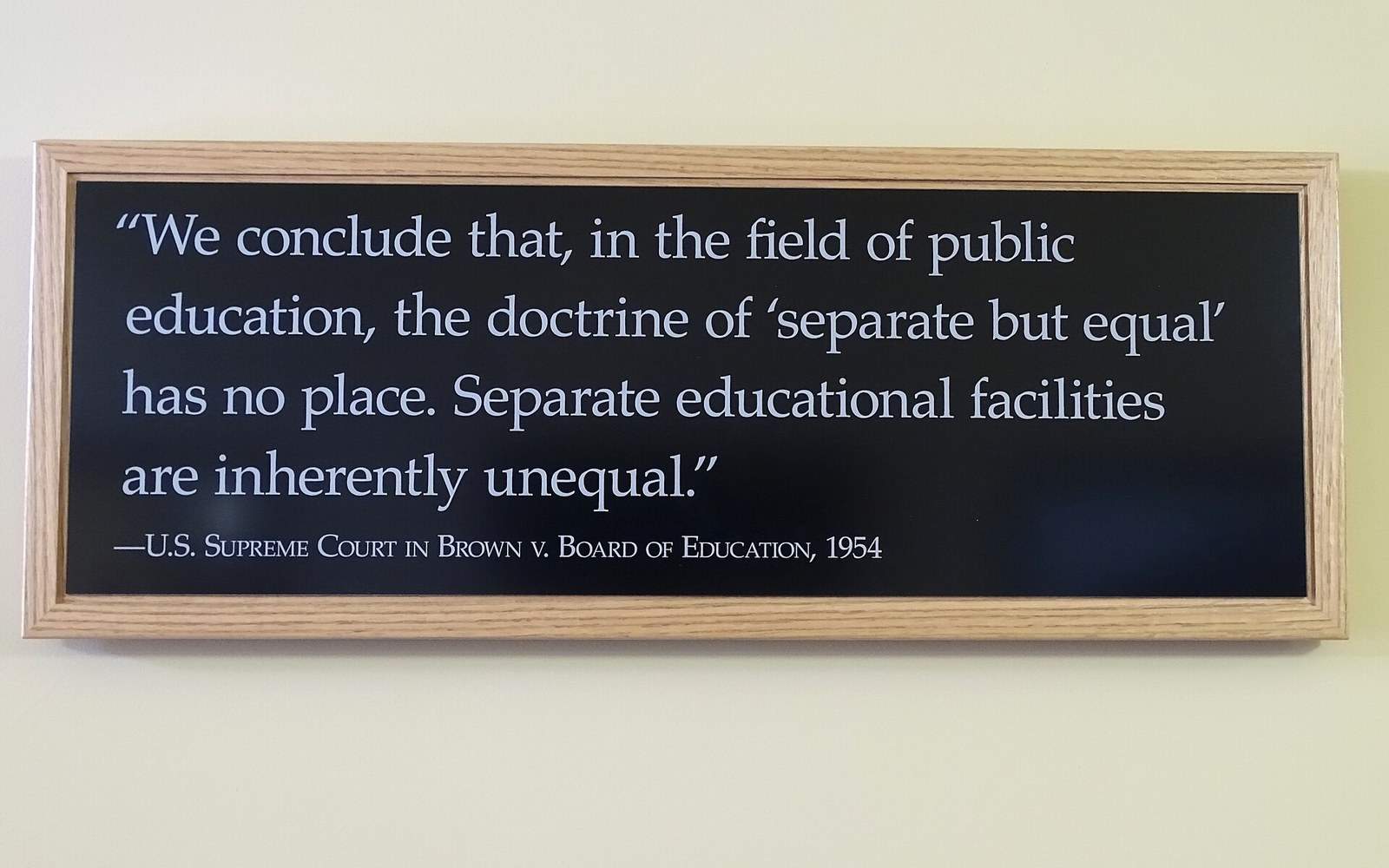
Chief Justice Earl Warren's unanimous opinion of May 17, 1954 adopted Marshall's core claim: in the field of public education, the doctrine of "separate but equal" had no place. The opinion cited the social-science record, though Warren rested the holding on the Fourteenth Amendment's equal-protection guarantee.
Houston had already established the strategic premise: rather than attacking *Plessy v.
What the Record Shows
Marshall argued before the Supreme Court thirty-two times in his career and won twenty-nine. But the fifteen years of circuit work before Brown — the salary suits, the graduate-school cases, the painstaking construction of a record that made the 1954 argument possible — were the preparation the final argument required. The LDF case files, now held at the Library of Congress, show the architecture of that preparation: incremental, deliberate, aimed not at a single case but at a doctrine.
The argument that held in 1954 was the same argument Marshall had been making, in refined form, since 1938. It simply took until 1954 to find a Court that would hold it.